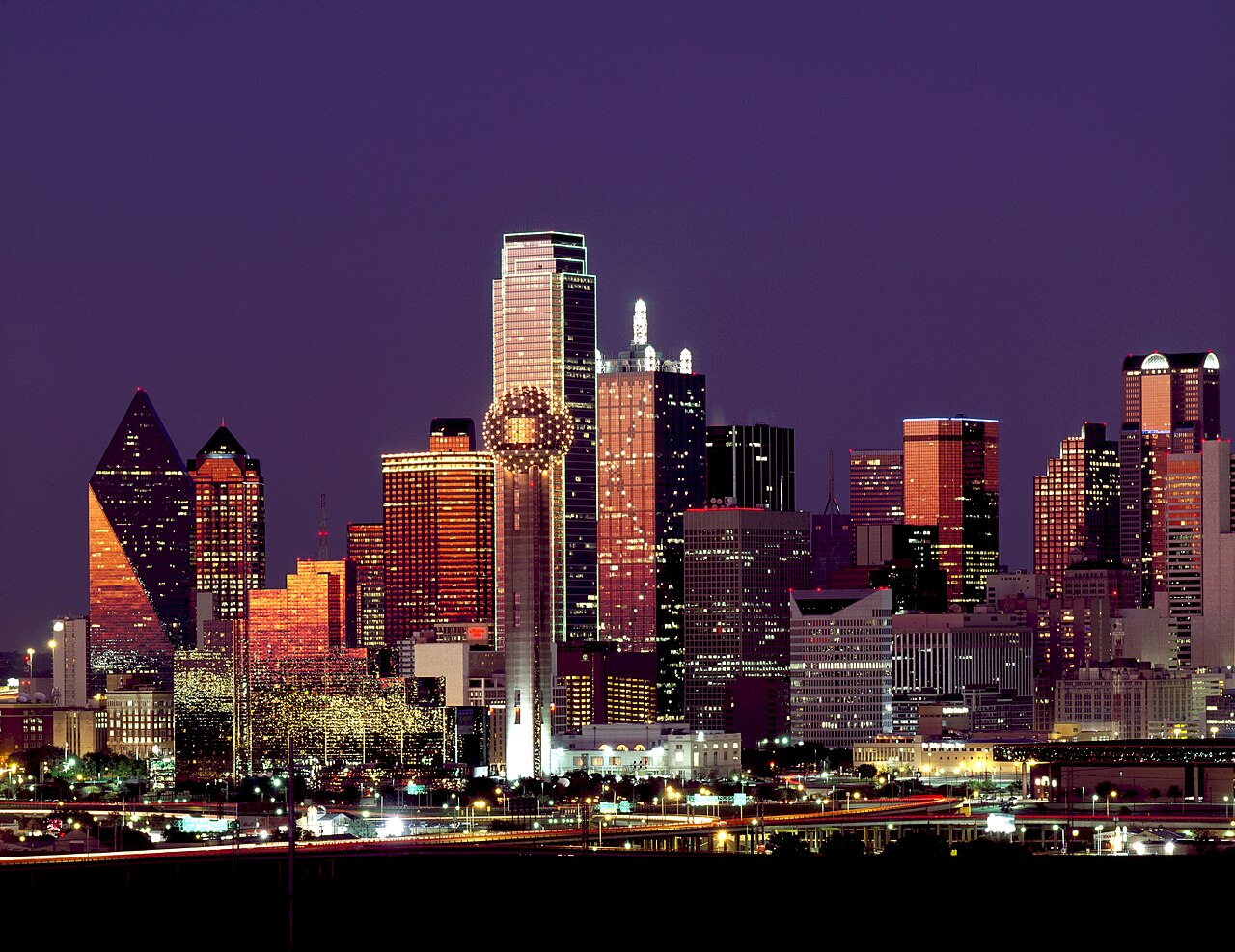
Republicans will gather at the American Airlines Center in Dallas on September 9 and 10 for the party’s first midterm convention. The event brings the scale and national attention of a presidential-year convention to a congressional campaign, giving the party a concentrated forum to present its candidates and priorities before the November 3 elections.
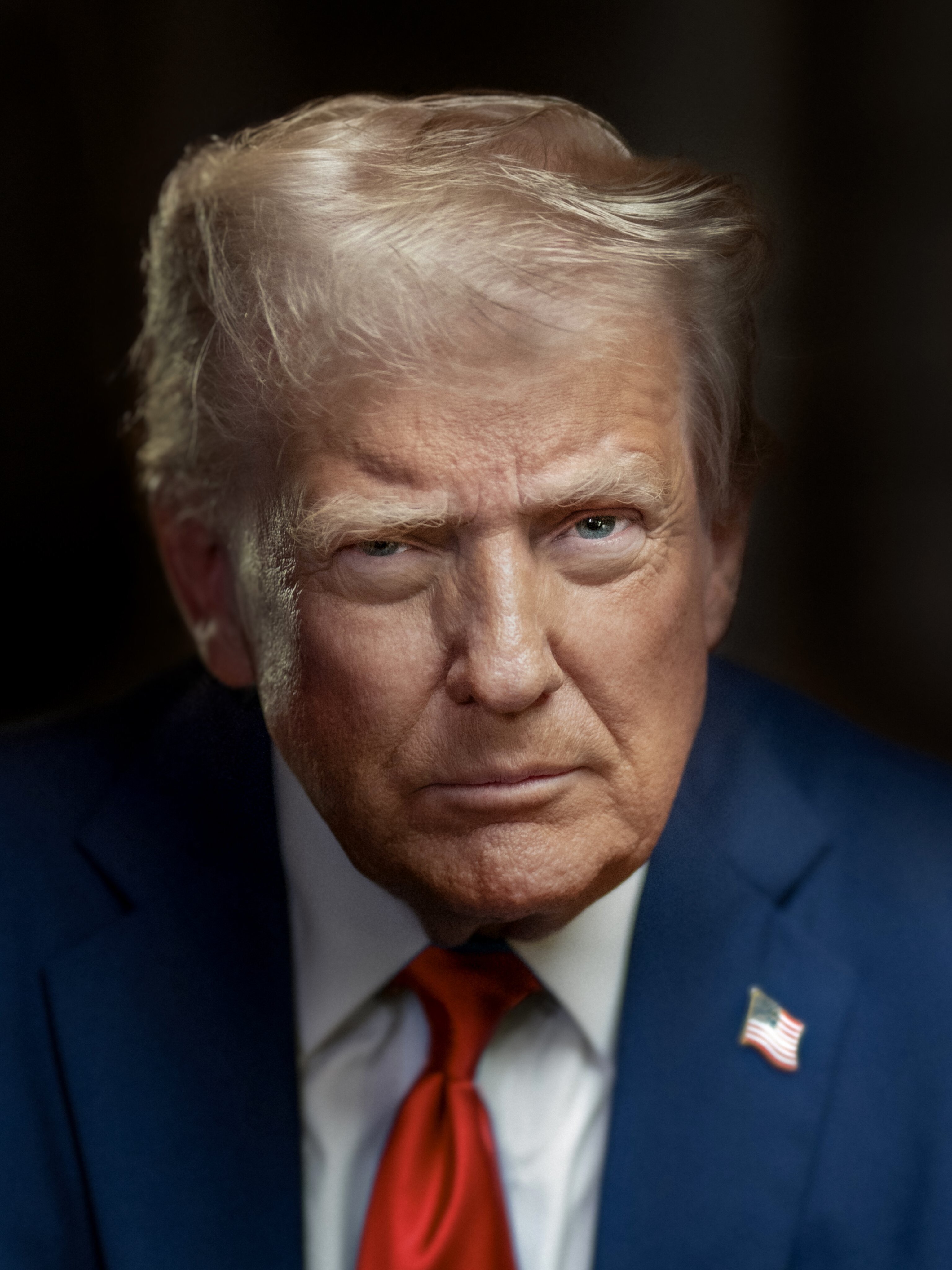
President Donald Trump is scheduled to speak on both nights, delivering Wednesday’s keynote and returning for closing remarks Thursday after Vice President JD Vance. The Republican National Committee says the program will include more than 100 speakers and presentations, including Cabinet officials, congressional leaders, candidates and people invited to describe how federal policies have affected them.
Organizers say the convention will focus on trade, public safety, border policy, tax cuts, domestic manufacturing and efforts to lower prescription-drug prices. The format gives candidates from different states a shared national stage while allowing the party to organize its midterm message around a single two-day event.
The gathering is open to members of the public rather than only formal delegates. No presidential nomination or platform vote is scheduled, so the event is principally a campaign convention and voter-mobilization effort. Organizers have planned short remarks and presentations intended to keep the program moving and make portions easy to share online.
The timing reflects the challenge facing a president’s party in a midterm election. Some Republicans in closely contested races are expected to remain in their districts to campaign, while party officials argue the Dallas event can energize voters who are most responsive to Trump even when he is not on the ballot.
The convention is also drawing related events in Dallas. James Fishback is scheduled to speak about the future of conservatism at Southern Methodist University on September 8, one day before the convention opens. His free public appearance is one example of the wider political activity gathering around the two-day Republican event.
Whether other parties adopt the model will depend partly on how effectively the convention reaches voters beyond the arena. For Republicans, Dallas is a test of a new national campaign format that puts candidates, supporters and the party’s governing case before a broad audience.