Stanford Residential & Dining Enterprises used artificial intelligence to alter photographs of students for promotional advertising, according to a report published by the student-run Stanford Review. The publication displayed before-and-after images and said one student was removed and replaced with an AI-generated woman.
The Review identified the student as Billy Ramirez, a member of Stanford’s class of 2027. It reported that the edited advertisement changed his race and gender and made two other students appear thinner. Ramirez told the publication that the alteration initially seemed humorous but left him feeling “silenced and erased” from a representation that was supposed to include him.
The New York Post separately summarized the Review’s findings on September 22. The public sources reviewed for this article did not include a direct statement from Stanford confirming the edits, so the claim is attributed to the Stanford Review and subsequent reporting rather than presented as an independently verified university admission.
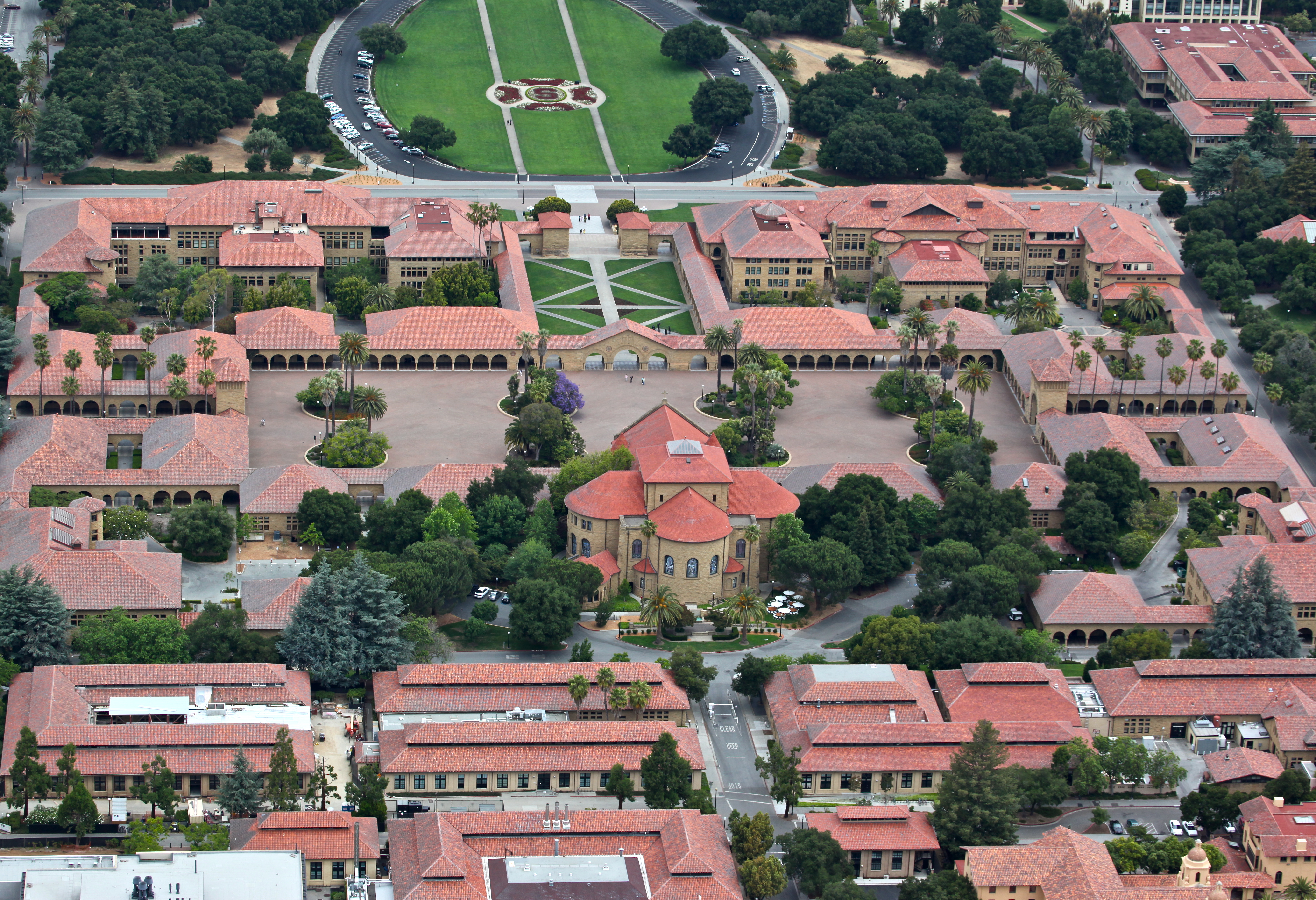
R&DE manages Stanford’s housing, dining and hospitality operations. The episode raises questions about disclosure and consent when institutions use generative tools to change the identity or appearance of real people in promotional material.